Sunday 27 / September / 2026
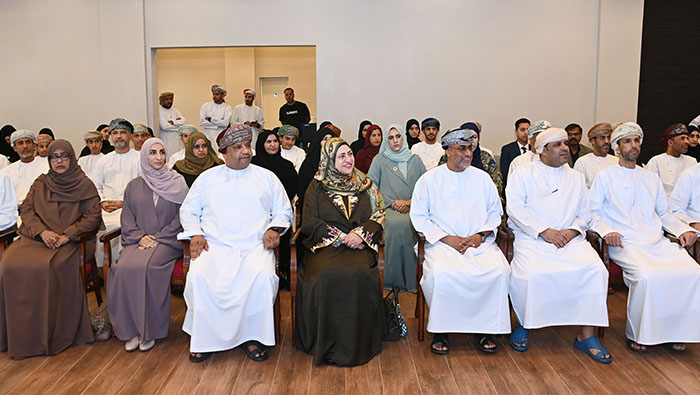
Muscat: The Oman Animal and Plant Genetic Resources Centre (Mawarid), operating under the Ministry of Higher Education, Research and Innovation, has inaugurated the nation's first mobile research laboratory dedicated to genetic resources and life sciences. The launch ceremony was held under the patronage of Dr. Rahma bint Ibrahim Al Mahrouqi, Minister of Higher Education, Research and Innovation.
This state-of-the-art mobile facility represents a flagship national initiative designed to extend specialized laboratory services to all governorates, with a focus on regions currently lacking advanced research infrastructure. By enabling on-site sample processing and preliminary analysis, the laboratory will significantly expedite scientific research, enhance the efficiency of specimen collection, and ensure high-quality preservation protocols.
The laboratory is outfitted with the latest generation of analytical instruments and is engineered to handle a wide array of genetic samples. Its capabilities include the examination and preparation of plant, animal, marine, and microbial genetic resources—encompassing medicinal plant seeds, strains of wild and domesticated fauna, marine organisms, microorganisms, and fungi—thereby bolstering national conservation and genetic research endeavours.
The development of the laboratory, including the custom design, procurement of a dedicated four-wheel-drive carrier vehicle, installation of advanced equipment, and extensive technical and operational validation, spanned over three years. A key feature of the facility is its modular and future-proof design, allowing for the ongoing integration of new technologies to keep pace with rapid scientific advancements in genetics and life sciences.
The centre is actively engaged in extensive field research across Oman's diverse ecosystems, from mountains and valleys to plains, deserts, and coastal areas. Current projects include specialized studies on fungi in the Dhofar Governorate and microbial analyses from samples gathered nationwide. The mobile laboratory is poised to play a crucial role in accelerating these and future field studies.
Dr. Mohammed bin Nasser Al Yahyai, Director of Oman Animal and Plant Genetic Resources Centre (Mawarid), stated, "This laboratory is the culmination of sustained efforts to strengthen Oman's scientific research ecosystem and extend its reach to every corner of the Sultanate of Oman."
He elaborated on the national context, noting, "Oman is blessed with extraordinary geographical and environmental diversity, from its mountain peaks and deep valleys to its vast deserts and rich marine environments. This unique biodiversity is a vital source of wealth and a foundational pillar for generating knowledge, driving scientific research, and fostering innovation in critical areas such as food security, environmental sustainability, and bio-industries."
"The mobile laboratory directly addresses a strategic need and is a significant enhancement to our national research infrastructure," Dr. Al Yahyai affirmed. "Equipped with cutting-edge technology, it will minimise sample degradation caused by long transit times to central labs, allowing for immediate on-site analysis and ensuring data integrity."
He emphasised that the centre is executing multiple research projects across the governorates, where the mobile lab will be an indispensable tool. Its deployment will enhance the centre's capacity to serve both the scientific community and national development goals more effectively.
"The objective extends beyond mere collection," he concluded. "It is to study, conserve, and strategically utilize our genetic heritage to fuel scientific innovation, support sustainable development plans, and advance the core pillars of knowledge, research, and innovation outlined in Oman Vision 2040."
Moza bint Mohammed Al Kharousi, Head of the Research Facilities Department at the centre, highlighted the laboratory's broader mission. "Beyond its core research function, the mobile lab will serve vital educational and community outreach purposes. It will participate in scientific events, conduct visits to schools and universities, and help cultivate a public culture that values the preservation of genetic resources and understands their environmental and economic significance."
She confirmed that the laboratory is a transformative asset for Oman's research landscape, poised to increase laboratory efficiency, accelerate scientific discovery, and foster greater collaboration between research institutions and the public and private sectors, in full alignment with Oman Vision 2040.
The launch event featured a specialised panel discussion titled "Research Laboratories: Their Scientific and Economic Role," which explored the importance of laboratory infrastructure in supporting innovation. The discussion covered key areas including the definition and function of research labs, the current state of Oman's laboratory infrastructure, and the economic potential of translating research into market-ready products and services.
The session also examined models for partnership between labs and the government and private sectors, addressed challenges and opportunities in funding and sustainability, and presented a forward-looking vision for the role of laboratories in achieving the goals of Oman Vision 2040.
This mobile research laboratory marks a qualitative leap for Oman's national research capacity. It will enhance laboratory efficiency, improve readiness for environmental and public health emergencies, and promote integrated collaboration across scientific, public, and private entities. This strategic advancement is fully consonant with the Sultanate of Oman's direction towards establishing a robust, knowledge and innovation-based economy.
The launch ceremony at the Innovation Park Muscat was attended by government officials, representatives from relevant institutions, researchers and university and school students.