Friday 16 / October / 2026
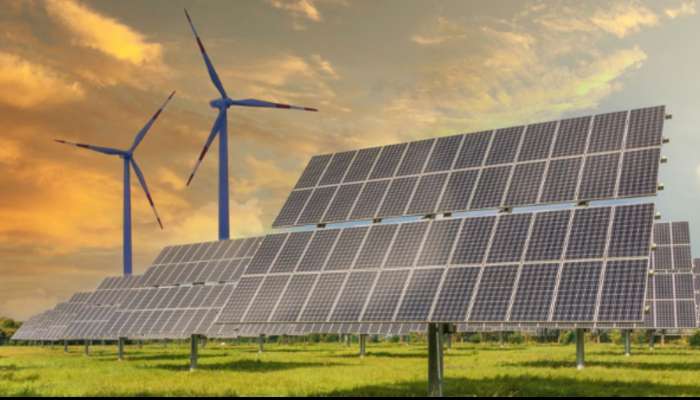
MUSCAT: The surge in artificial intelligence (AI) and cloud computing is powering a digital revolution - but it comes with a hidden cost: energy. Data centres worldwide are consuming more electricity than ever, and the demand is only growing. Oman, with its abundant sunshine and wind, is seizing the moment to become a clean-energy leader in the Middle East, turning renewable power into a strategic advantage for technology and economic growth.
Driven by the exponential growth in AI, cloud computing, and data usage, countries are investing heavily in large-scale data centres to house servers, storage, and networking infrastructure. These centres require substantial electricity and highly efficient cooling systems to support everything from simple streaming to complex machine-learning workloads.
Tech companies are pouring hundreds of billions of dollars into data centres capable of handling the intense computational demands of AI. For perspective, in 2024, data centres worldwide consumed approximately 1.5% of global electricity - a figure forecasted to rise to 3% by 2030.
This growing energy demand cannot rely on finite fossil fuels such as coal, oil, and natural gas. To meet it sustainably, global investment in renewable energy - including solar, wind, hydropower, geothermal, and biomass - is essential.
Oman is positioning itself as a regional clean-energy leader. The country has set an ambitious target of generating around 30% of its electricity from renewables by 2030, aligned with Vision 2040. With some of the highest solar irradiation levels in the world and year-round sunshine, Oman has enormous potential for large-scale solar projects.
“There are no limits to Oman’s potential solar growth, as a country home to abundant natural resources,” says the Chair of SolarPower Europe’s Global Markets Workstream.
Progress is already evident. As of 2025, solar and wind projects account for roughly 12% of total electricity generation. Large-scale renewable projects also bring significant economic benefits, requiring capital, skilled manpower, operational expertise, and investment from global firms seeking reliable low-carbon energy.
However, increasing renewable capacity alone is not enough. Oman will need cost-efficient energy storage systems and a robust power grid to manage variable generation. Policies should encourage fossil-fuel-dependent industries, such as petrochemicals, to transition toward clean energy, and incentives could attract global technology firms to establish operations in the country.
As the technology sector’s energy needs continue to grow at an unprecedented pace, nations that can supply large amounts of low-carbon power will define the next stage of digital expansion. By decarbonising its energy supply, Oman has the opportunity to transform its natural resources into a strategic advantage for both technology and economic growth.
(The author is a student at the British School Muscat, writes on technology.)