Monday 12 / October / 2026
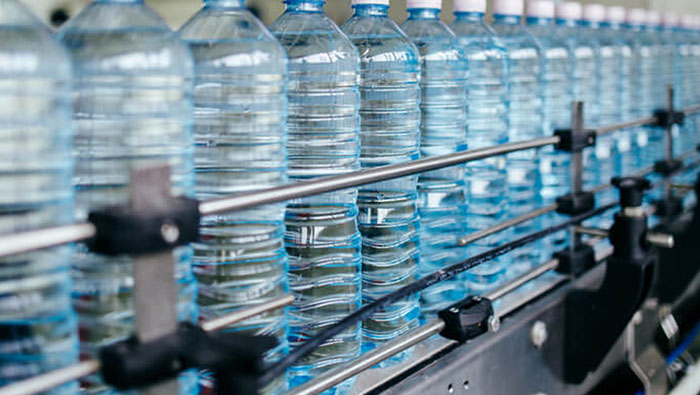
Muscat: The size of the bottled water market in the GCC countries reached approximately $7.55 billion in 2024, continuing its growth at an annual rate of 11 percent, driven by increased demand for bottled water, rising health awareness, and expanding investments in this sector.
Data from the GCC Statistical Centre (GCC-Stat) indicated that in the field of water resources management, the volume of collected treated wastewater increased by 98.4 percent in 2024. This indicator reflects the progress made by GCC countries in water reuse and supporting circular economy applications, thereby contributing to preserving water resources and enhancing environmental sustainability.
Desalinated water production in GCC countries also rose by 4.8 percent compared to 2023, underscoring the continued reliance on desalination technologies as one of the most vital strategic sources to meet the growing demand for water, particularly in light of limited natural water resources.
On the other hand, the annual rate of groundwater abstraction recorded a decrease of 3 percent over the past nine years, coinciding with an increase in the share of renewable water to 25.5 percent in 2024, reflecting a GCC trend toward sustainable water resources management and reducing pressure on groundwater reserves.
Regarding natural resources, rainfall rates in GCC countries increased by 43.8 percent in 2024 compared to the long-term average for the period (1980–2009). This presents opportunities to enhance water security through expanding rainwater harvesting projects, recharging groundwater aquifers, and increasing the utilisation of conventional water resources.
Collectively, these indicators confirm the continued adoption by GCC countries of integrated water management policies based on diversifying supply sources, enhancing reuse, developing desalination technologies, and preserving natural resources, thereby supporting the achievement of Sustainable Development Goals and enhancing the region's ability to face water scarcity challenges.