Sunday 11 / October / 2026
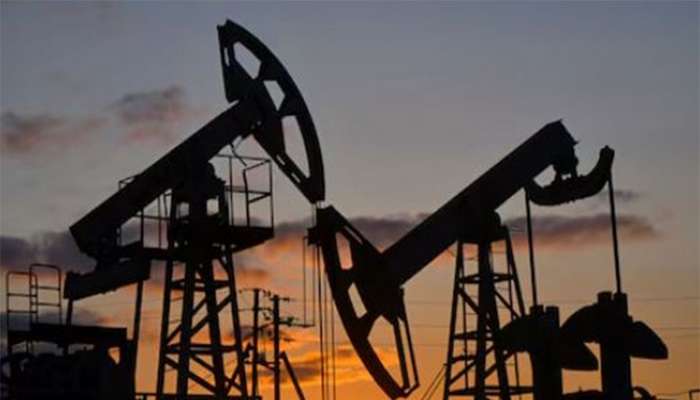
Muscat: Crude oil prices in August remained elevated over the $85 per barrel level led by the continued closure of the Strait of Hormuz as well as talks of tougher sanctions on Iran and its trading partners by the US government, a new report reveals.
“On the closure of the trade route, some CEOs of oil companies highlighted that although physical crude in the region remains affordable, but the elevated shipping cost of around $20 million add the premium for the buyers,” Kuwait-based Kamco Invest said in its ‘Oil Market Monthly Report August 2026’.
“This also means that refined products are not exiting the region, resulting in bearish pressure on crude and at the same time bullish trend for products markets. The market has remained tight instead of experiencing a late summer pull back in prices mainly led by severe geopolitical risk premiums stemming from the ongoing US-Iran conflict,” the report further added.
The persistent physical transit bottlenecks that has affected both the key routes, i.e. the Strait of Hormuz as well as the Red Sea, and the stalling of US-Iran peace talks have prevented any meaningful deescalation in prices and have outweighed bearish inventory developments as well as downgraded demand forecasts from both the IEA as well as the Opec in their respective monthly reports.
The US government recently announced a new package of sanctions targeting 60 entities linked to Iran meant to limit Iranian oil exports although the impact on prices were very limited. Concurrently, reports showed that the US military has successfully escorted over 660 million barrels of oil through the Strait of Hormuz since May-2026, proving the critical chokepoint remains partially operational.
“While this escorted flow mitigates the risk of a total supply cutoff, shipping activity remains below normal and analysts estimate that if just 50% to 60% of pre-war transit volumes are restored, it could revive oversupply expectations and pull Brent prices back toward the $70 per barrel level,” the report pointed out.
On the demand side, the IEA once again lowered its oil demand expectations for 2026 in its latest monthly report. The agency now expects world oil demand to decline by 1.6 million barrel per day (mbd) this year, a downward revision of around 510,000 barrels per day against its previous forecast. The IEA said that the closure of the trade routes and the elevated prices are weighing on consumption. Opec also lowered its demand growth forecast for the year to 580,000 barrels per day in a fourth consecutive downward revision.
On the products side, global demand continues to outpace available refined products creating a notable tightness in specific fuel categories. US distillate inventories reached 105.6 million barrels recently, which is 13% below the five-year average. This has kept diesel supplies notably tighter than crude itself, elevating crack spreads and incentivising refiners to secure immediate crude deliveries.
Regarding the supply side, the report said, “Crude oil production witnessed a sharp increase of 1.2 million barrels per day (mbd) during July-2026 with Kuwait, Saudi Arabia and Iraq accounting for almost the entire increase while Nigeria curbed output. The US also registered three straight weeks of marginal output increase.”
Oil prices
Crude oil prices have remained elevated since the start of the month trading around the $90 per barrel level. The month started with a strong rally in prices during the first half but prices retreated slightly during the second half. The gains were led by fresh tanker attacks in the Strait of Hormuz amid continued exchange of sharper rhetoric between the US and Iran. The rally was reinforced by attacks on UAE tankers and on Saudi refinery pushing Brent to around $95.4 per barrel. The market has shifted into a steep backwardation, signaling immediate physical supplies are tight and buyers are willing to pay a premium for prompt delivery. This also indicates that traders are prioritising near-term scarcity over long term oversupply.
Nevertheless, oil prices pared some gains over the last three days falling by around 8% over the last three trading session this week. The Kamco Invest report said that the latest announcement of tougher economic sanctions on Iran by the US had minimal impact on crude oil prices as it spared US trade allies while mediators continued their efforts to end the conflict.
In terms of monthly price trend, average crude oil prices in July-2026 once again showed a decline. Average spot Brent crude oil price dropped for the third consecutive month and reached $83.4 per barrel during July-2026 registering a decline of 2.1%. On the other hand, average Opec reference basket price witnessed a slightly bigger decline of 7.5% to reach average of $83 per barrel during July-2026 from $85.2 per barrel in June-2026.
Brent crude consensus prices stood at $83.6 per barrel for third quarter of 2026 against an estimate of $80 per barrel in July.